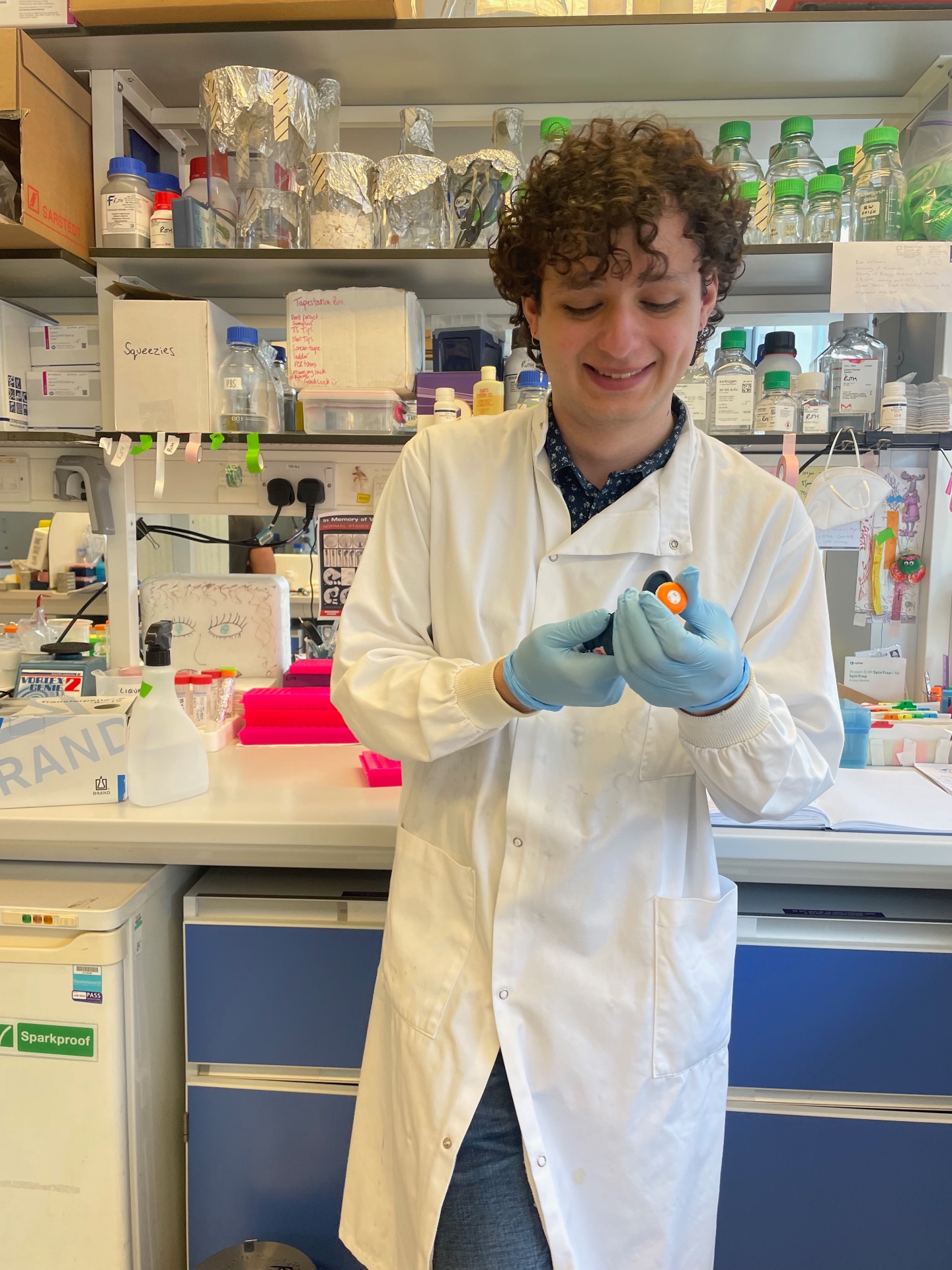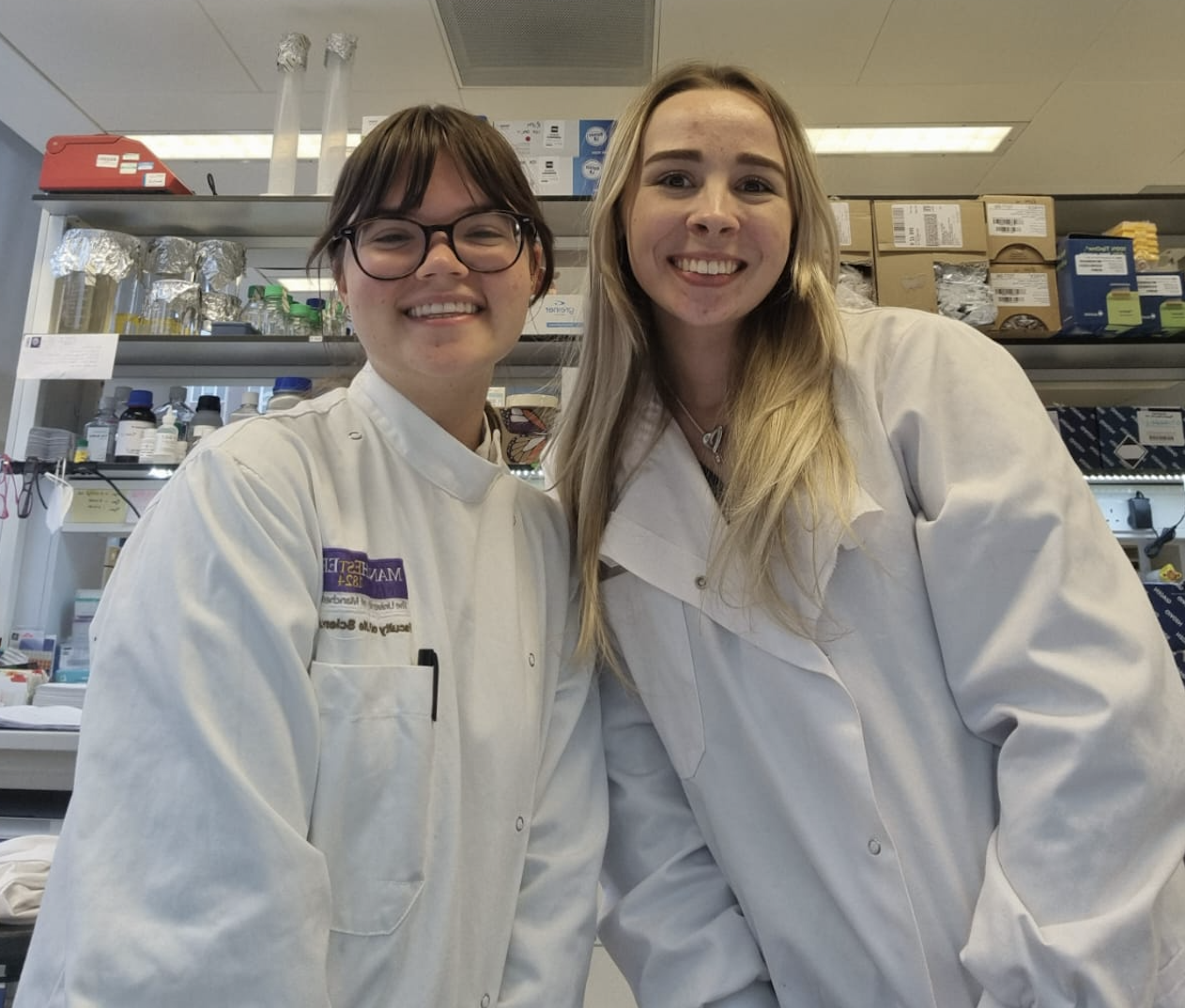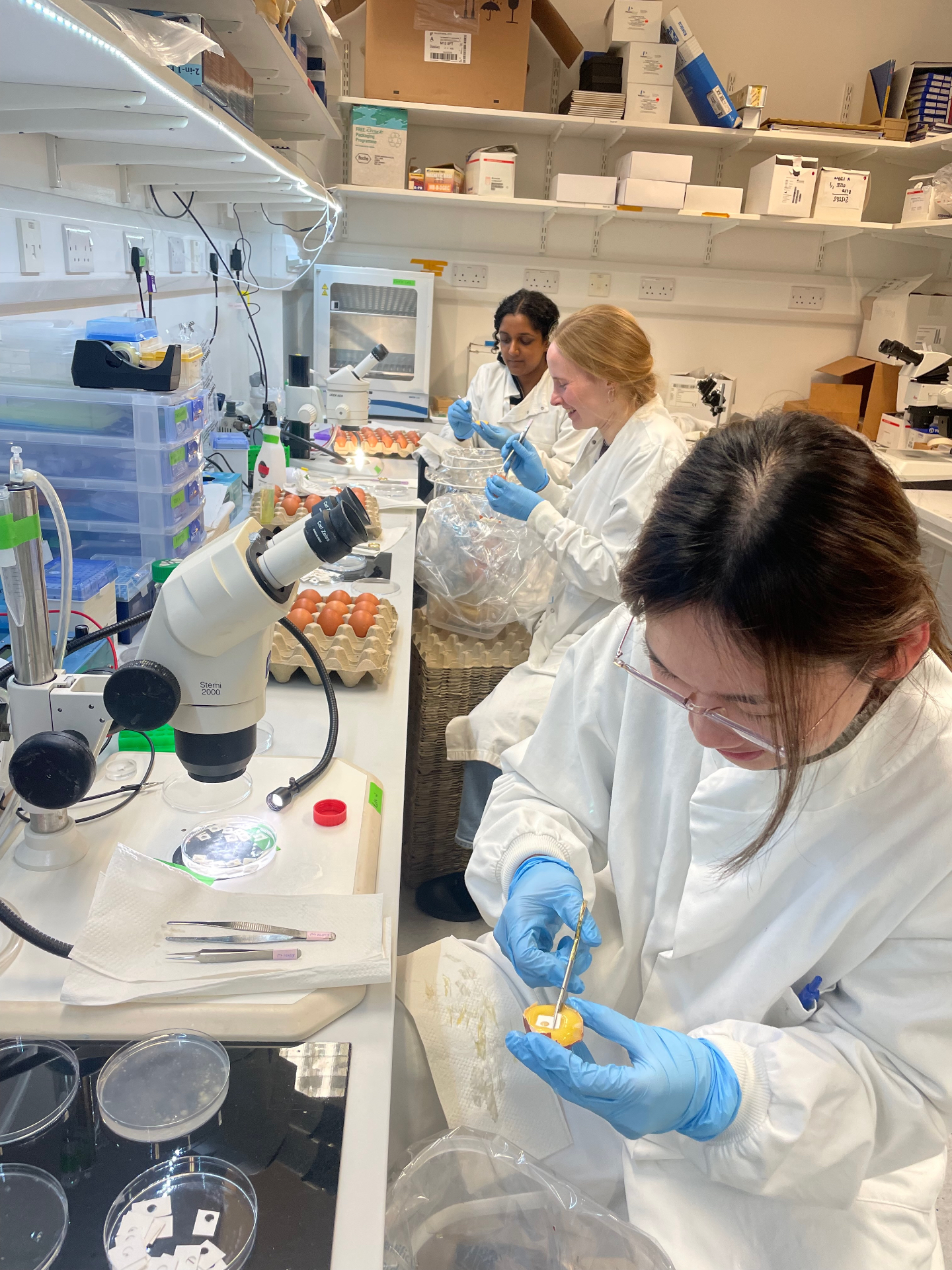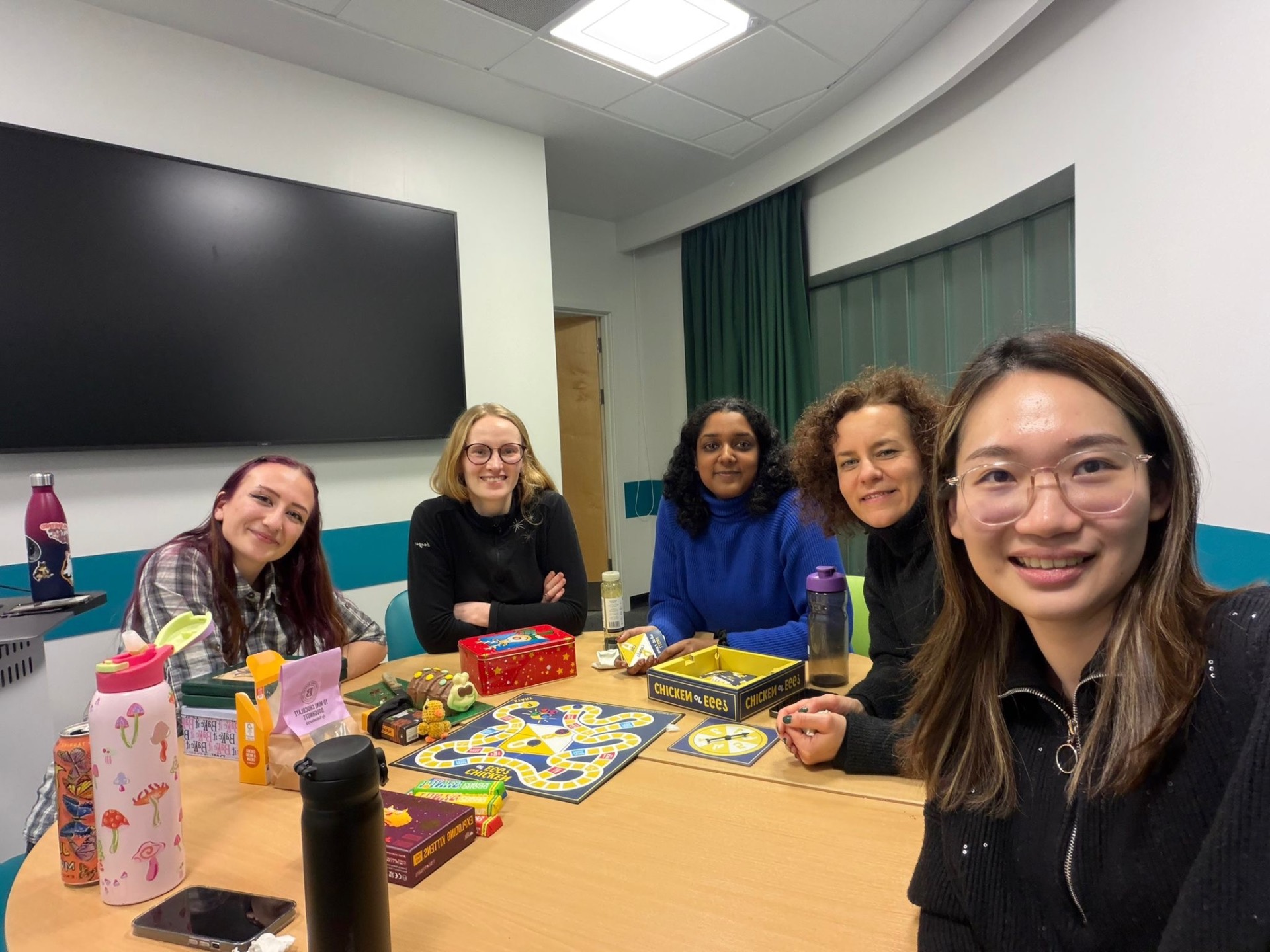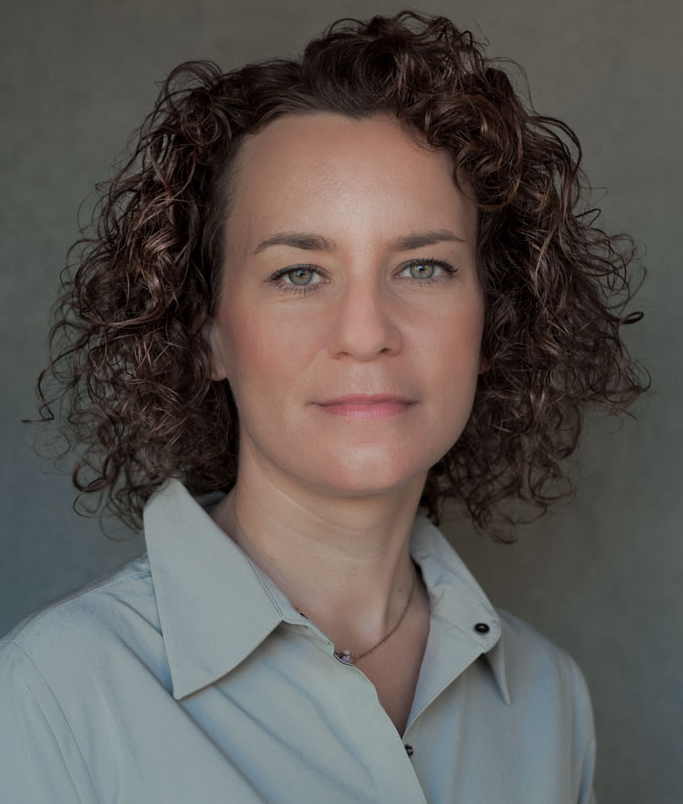
Dr. Ruth Williams
Returning to education later in life, Ruth did her BSc and PhD in her home town, Norwich, at the University of East Anglia.
She then undertook her postdoctoral research with Prof. Tatjana Sauka-Spengler at the University of Oxford where she combined cutting-edge genomics approaches with next-generation single-cell assays to reverse engineer the first complete gene regulatory network underlying early chick NC development.
She then went to Caltech to work with Prof. Marianne Bronner, where she used single-cell transcriptional profiling to resolve dynamic gene expression patterns in the developing chick neural plate border. Following a brief reunion with Tatjana at the Stowers Institute for Medical Research, Kansas City, Ruth initiated her own lab at the University of Manchester, supported by a Dean's Prize Fellowship from the University of Manchester and subsequently a Career Development Award from the MRC.
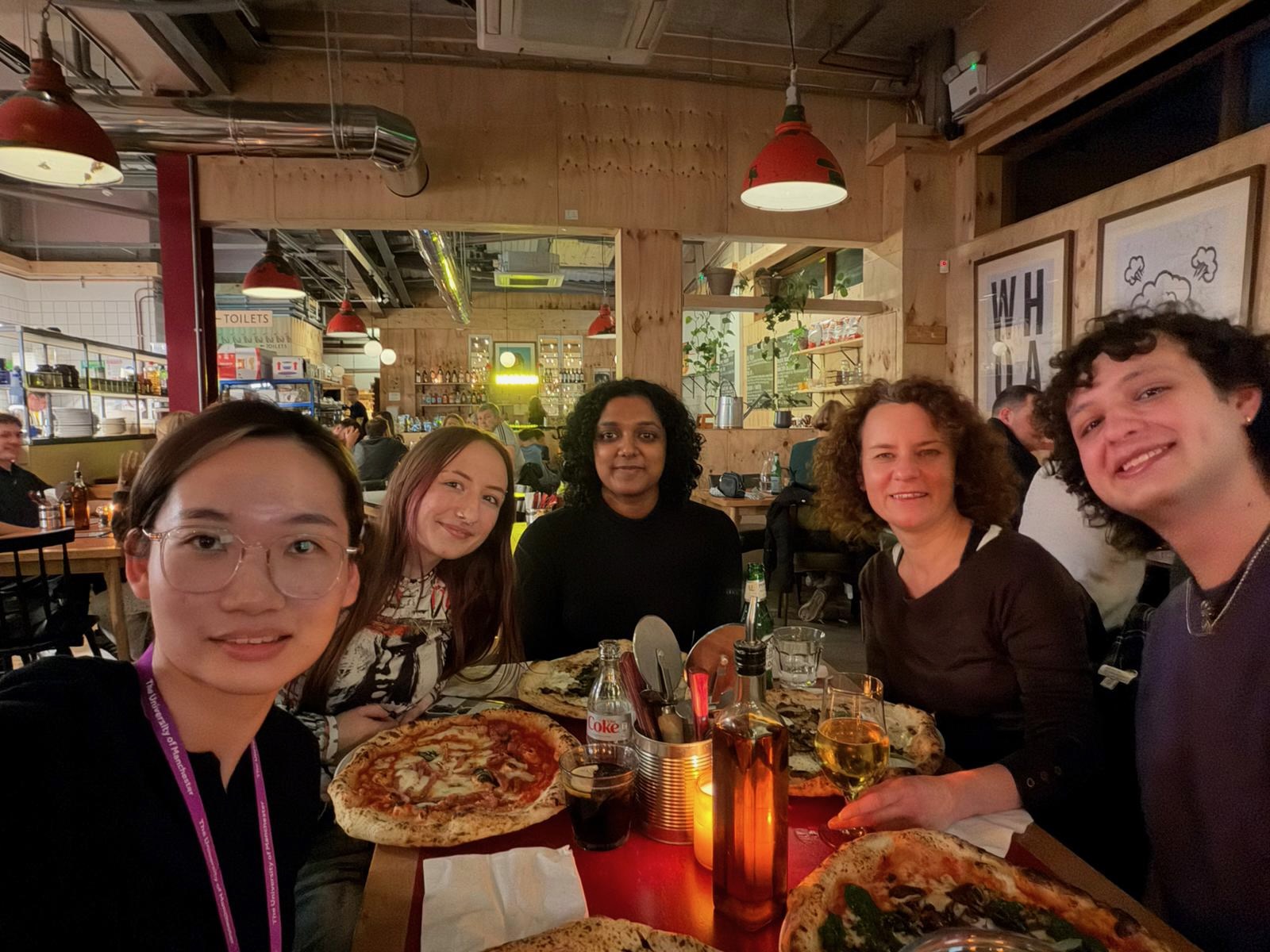
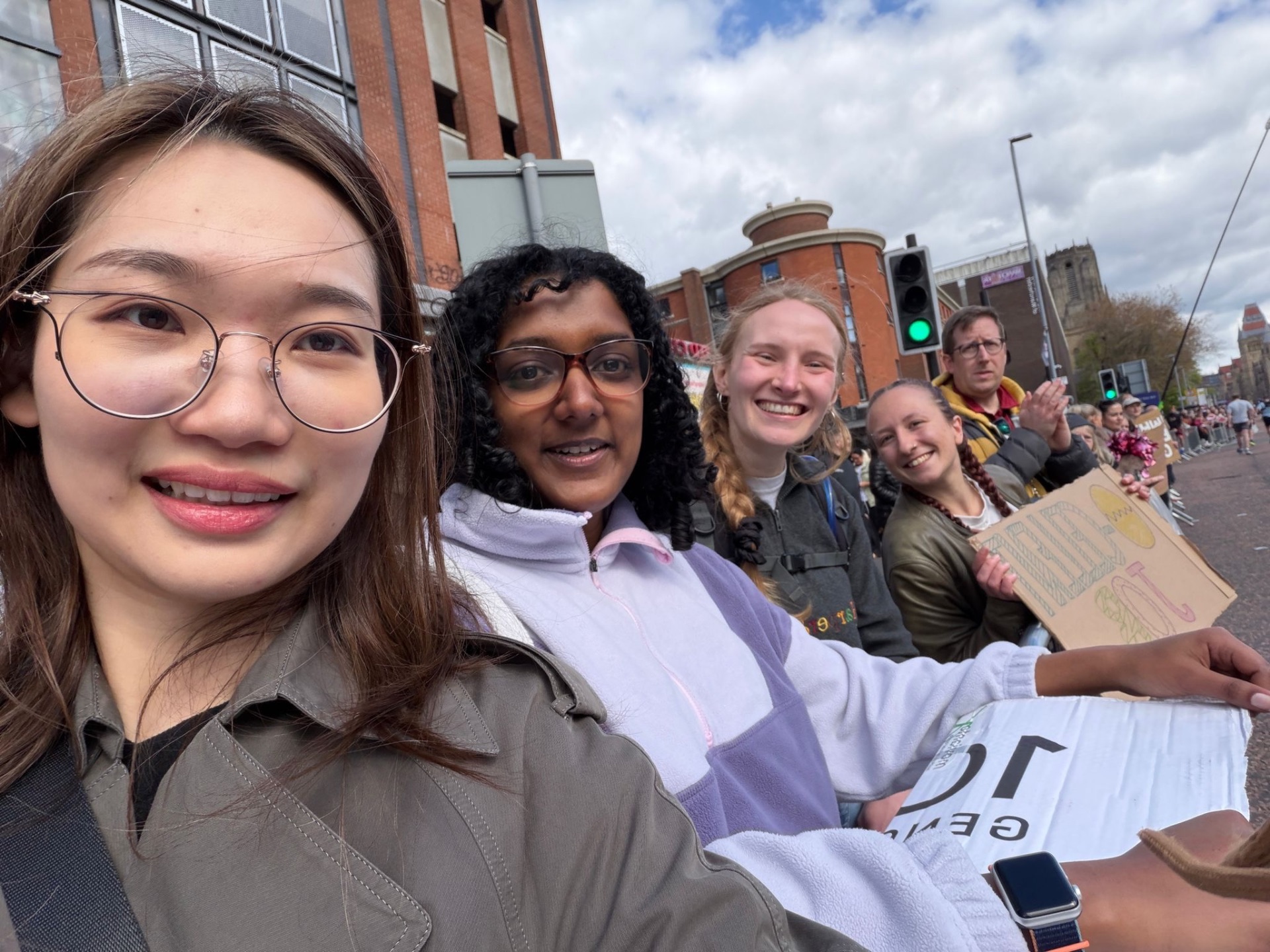
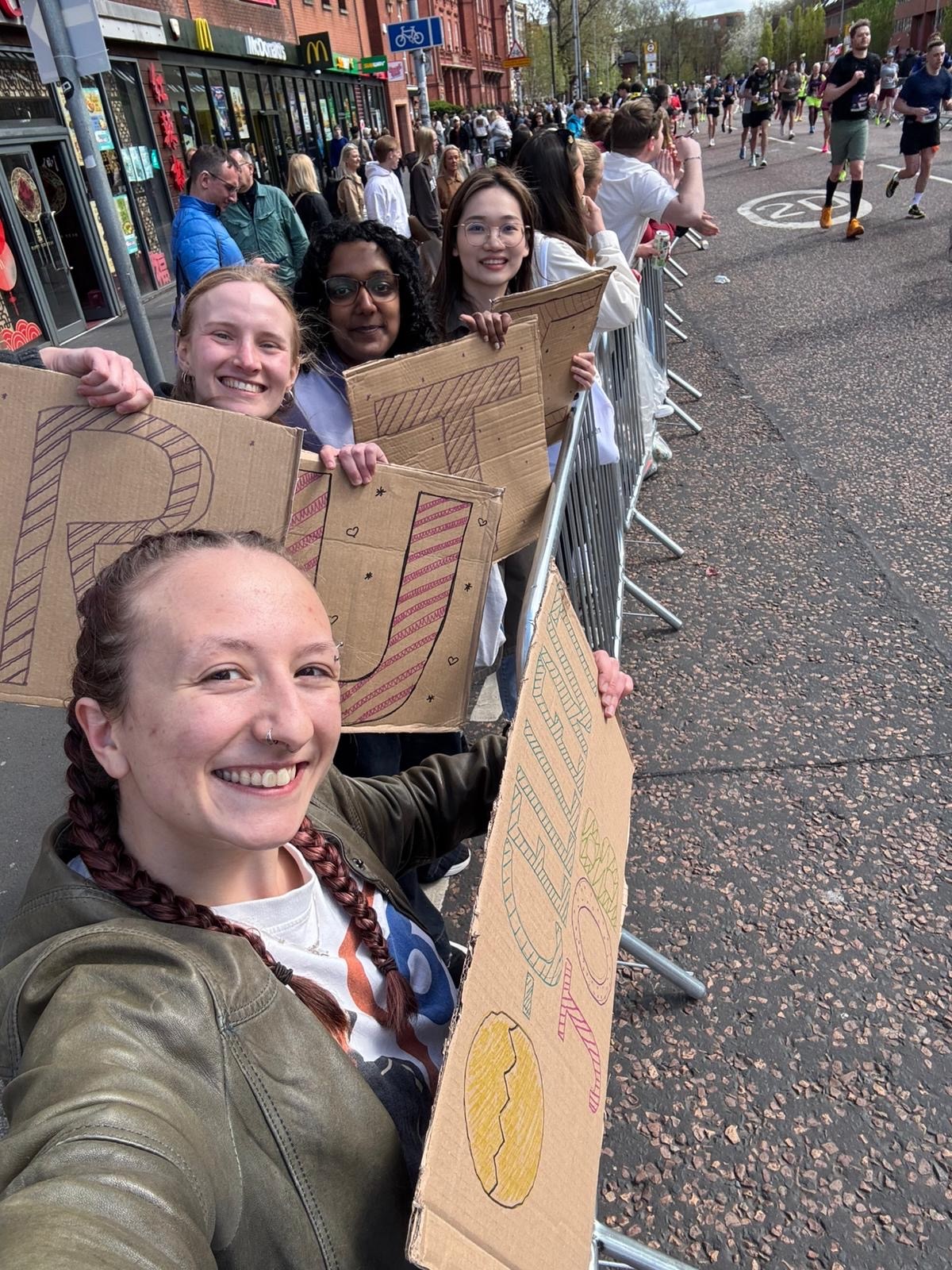
In her 'copious' free time, Ruth enjoys running, running and some more running!! Something she encourages her team to take up, too....
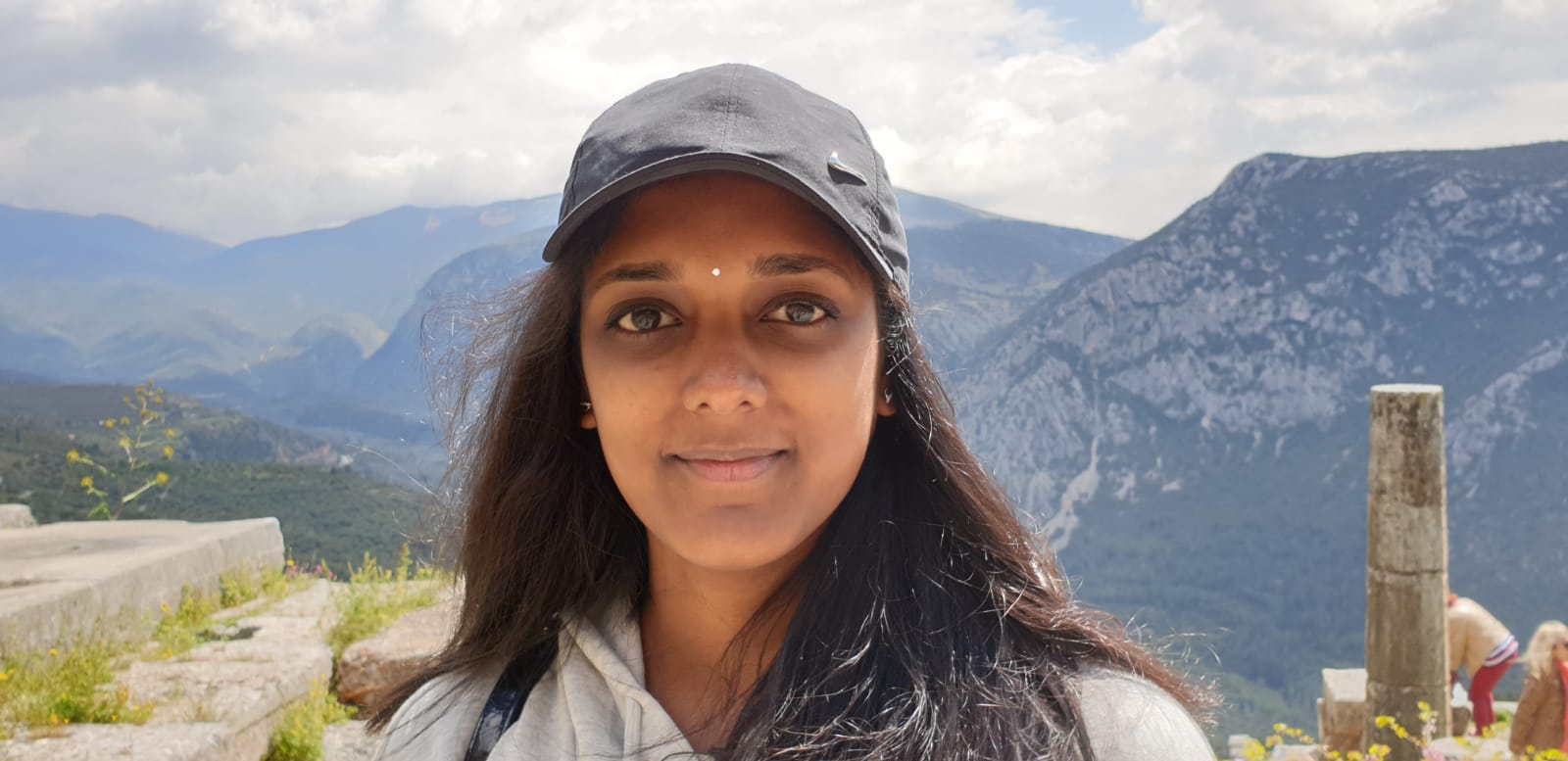
Srishti Balamurugan
Srishti completed her BSc in Biomedical Science with Anatomy at St George's, University of London, where her research included work on retinoic acid signalling in zebrafish. She then moved to Imperial College London to pursue an MSc in Genes, Drugs and Stem Cells, where her research focused on metabolic maturation of human pluripotent stem cell-derived cardiomyocytes.
She is currently a Research Technician at the University of Manchester, where she investigates gene regulation during neural crest development, with a focus on Pax7 enhancers. Her work integrates genomic and imaging approaches, including ATAC-seq, CUT&RUN, and enhancer-reporter assays, alongside computational analysis.
Outside the lab, Srishti enjoys swimming and picking up new hobbies, such as snowboarding and a bit of running.
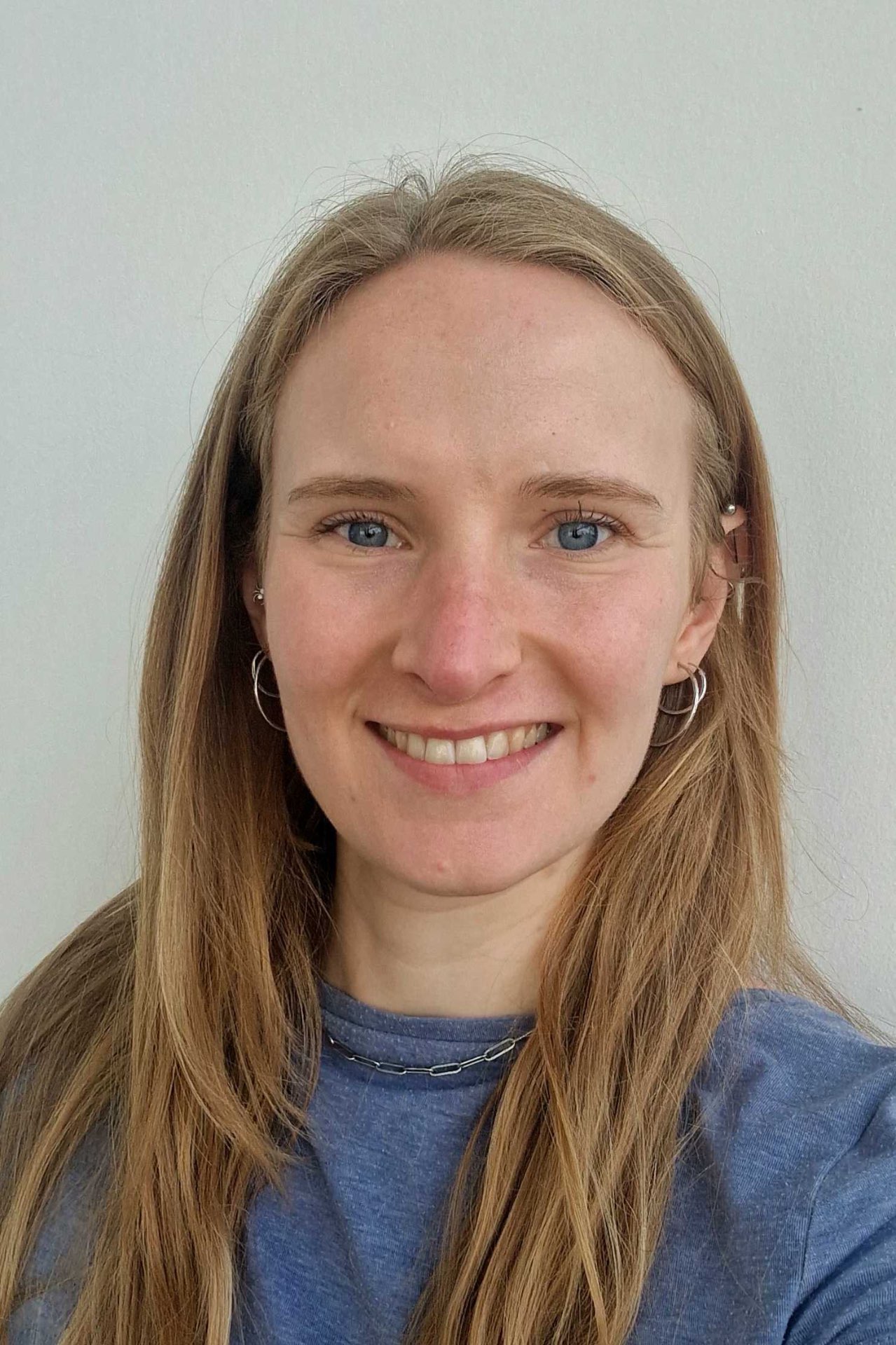
Dr Magdalena Schatka
Magda earned her BSc in Zoology from the University of Vienna, where she continued to complete her MSc in Genetics and Developmental Biology, working on body axis patterning in Nematostella. She then moved to the University of East Anglia to earn her PhD, investigating early heart development in the chick, particularly the function of cis-regulatory elements associated with Nkx2.5. Currently, Magda is working as a Research Associate in the Williams lab, exploring the role of signalling pathways at the early neural plate border.
Outside the lab, Magda spends her time falling off rocks, running (not as much as Ruth, though) and being part of a remarkably adequate choir.
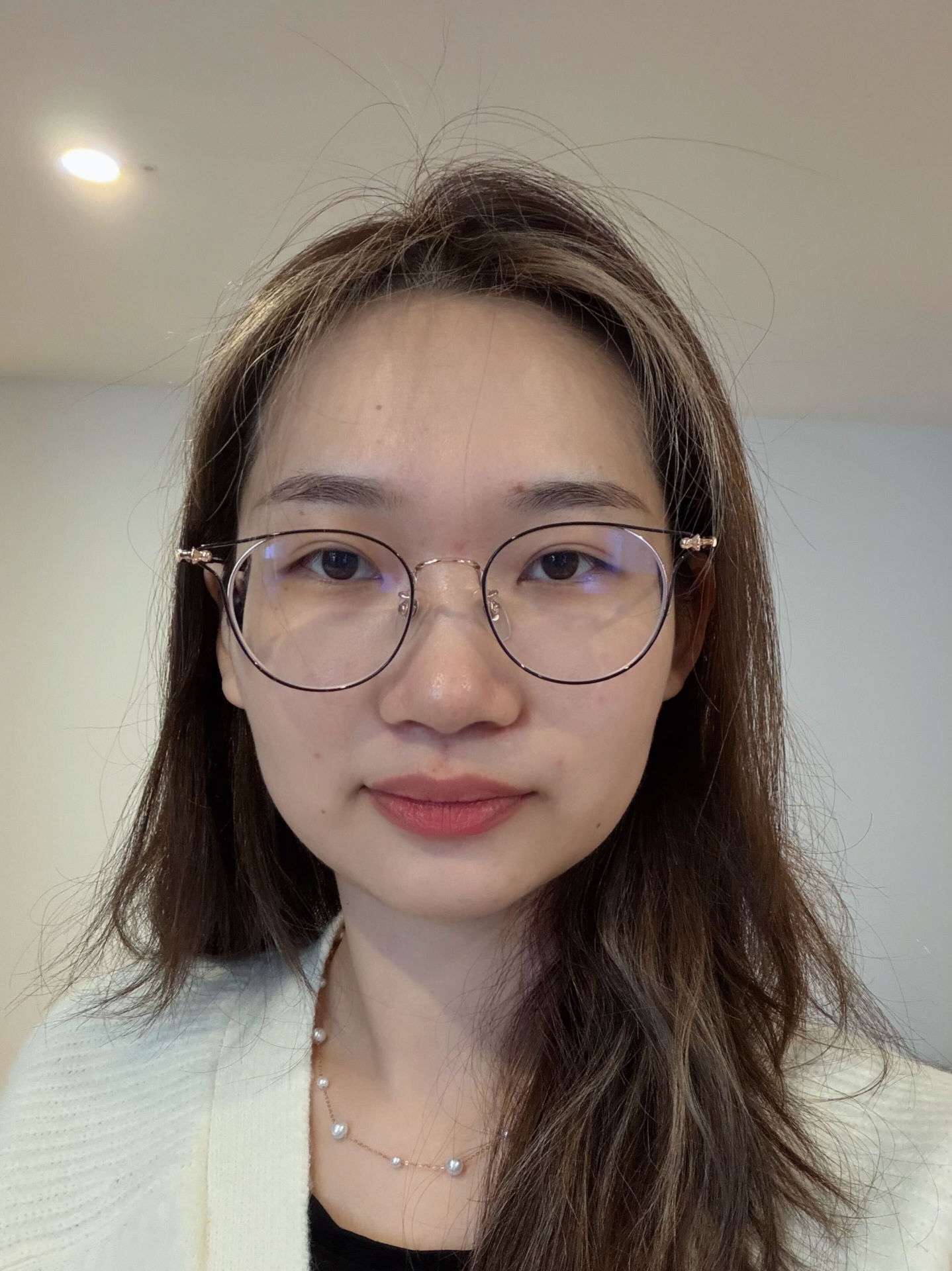
Shangde Li
Shangde completed her bachelor's degree in dentistry at the West China School of Stomatology, Sichuan University in China. She then undertook her residency training as a general dentist at the Qilu Hospital of Shandong University. After that she moved to King's College London to pursue a master's degree in Regenerative Dentistry, where she worked with Dr. William Barrell and Prof. Karen J Liu on Bardet-Biedl syndrome genes in neural crest-derived craniofacial development. She is now a PhD student in Williams lab, focusing on cell fate decisions at the neural plate border using single-cell multiomic approaches in the chicken model.
Outside the lab, she enjoys live music and musicals, pilates and the occasional run and is equally committed to the art of doing absolutely nothing and perfecting the science of rest.

Matilda Pickard
Matilda is in the final year of her integrated Master's in Biology at the University of Manchester. She is currently coming to the end of her final year research project in the Williams lab titled: uncovering a role for zinc-finger homeobox 4 (Zfhx4) in the neural crest gene regulatory network.
Prior to this, she undertook a summer internship funded by the Rooney Plastic Surgery and Reconstructive Surgery Trust at the University of Edinburgh, where she worked in the Davey lab looking at the development of hands and feet.
In her free time, Matilda likes to read and swim, and has also been known to run occasionally — even though she hates it!
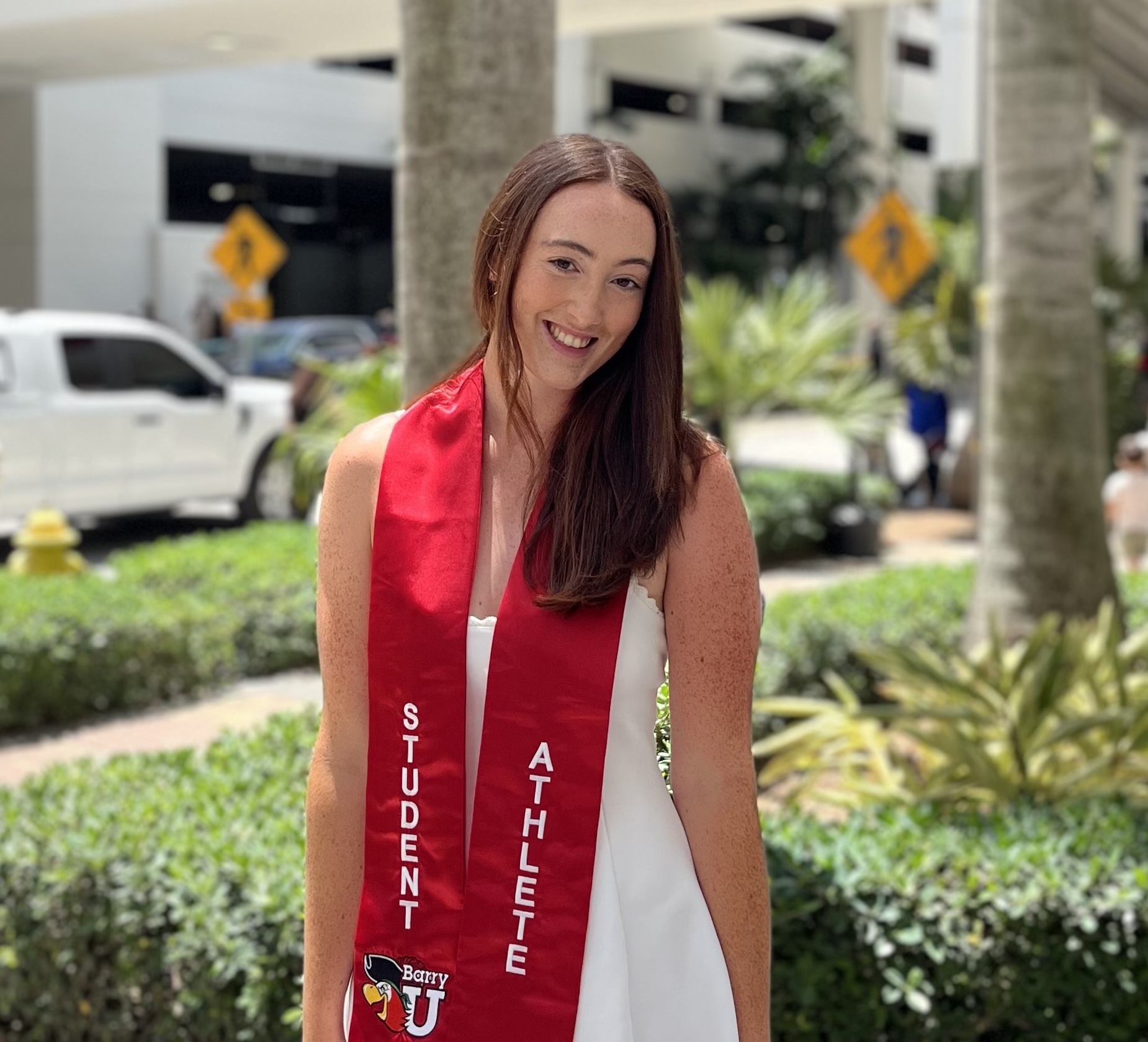
Imogen Rafferty
Imogen completed her undergraduate degree in Biology at Barry University, in Miami, Florida. She then came to the University of Manchester to complete her master's in Cell Biology. Her research project in the Williams lab explores the role of enhancers regulating multipotency-associated genes in neural crest cells.
Outside of the lab, Imogen is a keen golfer, having spent 4 years in the USA competing in collegiate golf. She is also training for a half marathon!